Meeting California’s Climate Goals by Understanding Household Food Waste Generation in the San Joaquin Valley
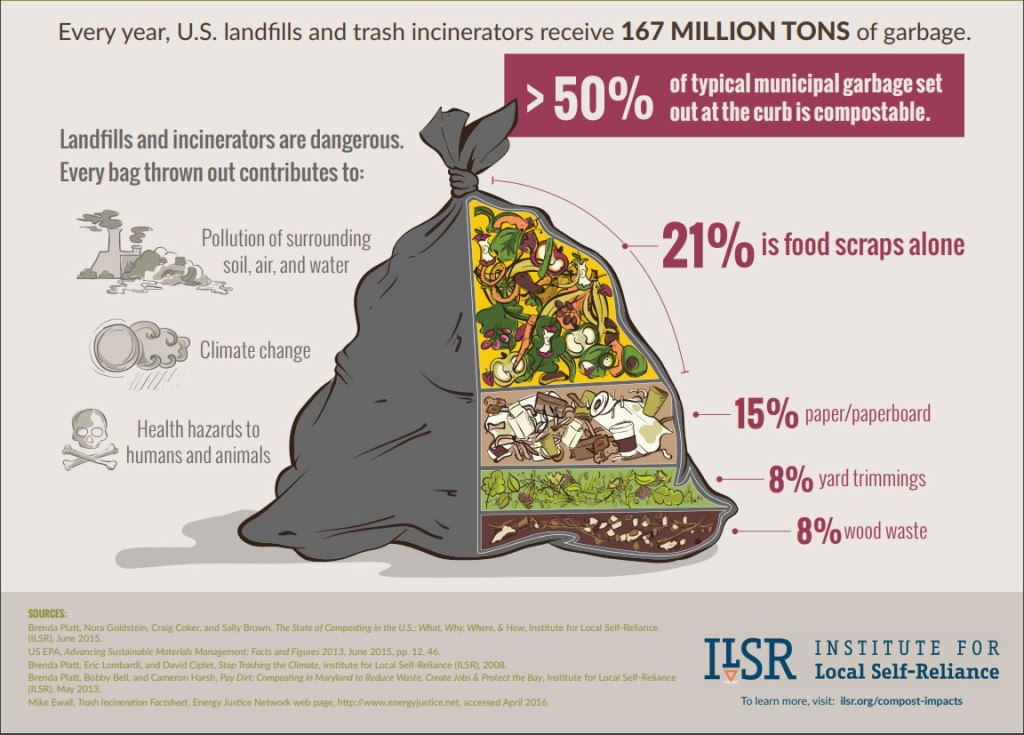
The Central Valley lacks food waste composting. California is behind in meeting the state’s ambitious SB 1383 target of reducing food waste by 75% from 2014 levels by 2025. Reasons for composting food waste include reduced greenhouse gas emissions like methane (landfills produce methane from food rotting), community resilience, and benefits to soil health.
The Central Valley could advance that goal but lacks food waste composting facilities, programs, and stakeholder support.
“If we don’t have someone showing us how to compost, we won’t do it. We have to have someone out there leading by example.” Nikki – study participant
How does composting combat the climate crisis?
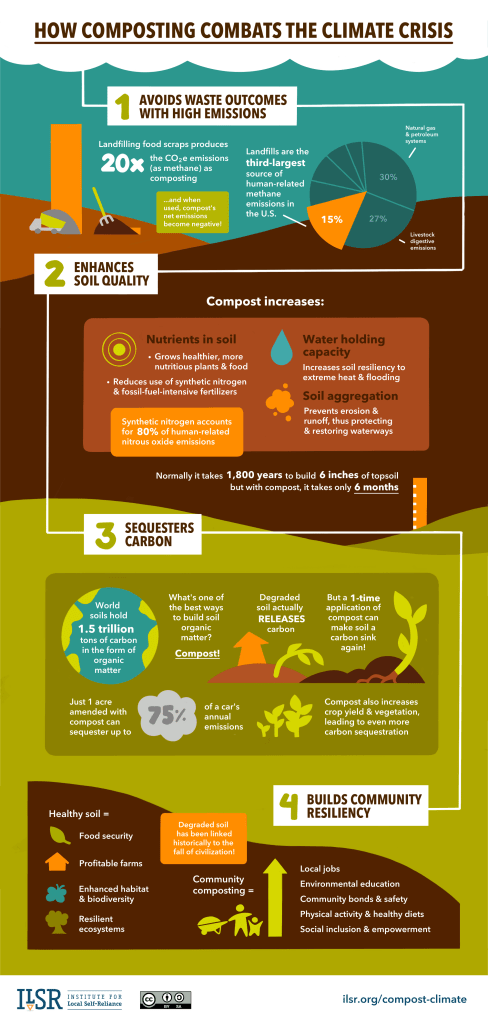
What is Composting?
Composting is the natural process of recycling living matter, such as yard waste and food scraps, into valuable fertilizer that can enrich soil and plants.
Composting provides an ideal environment for bacteria, fungi, and other decomposing organisms (such as worms, sowbugs, and nematodes) to eat and change living matter into recycled nutrients.
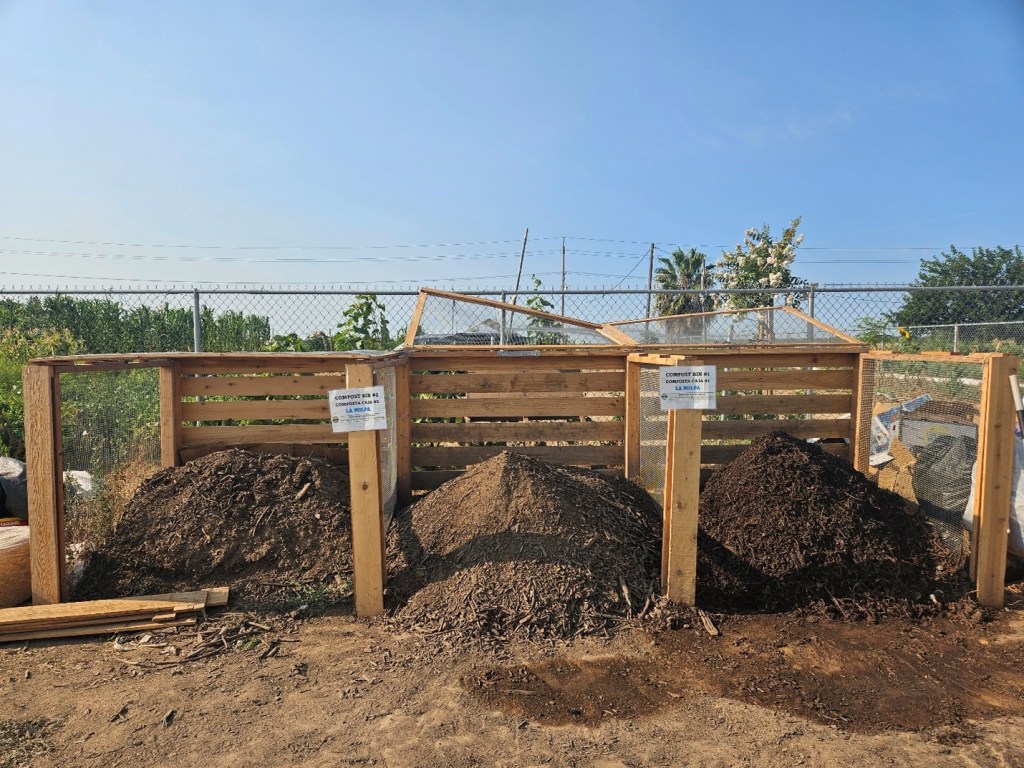
Small-scale composting can be done at home, in community gardens, on urban farms, in schools, by non-profits, by social enterprises, on-farm composting, or at government sites.
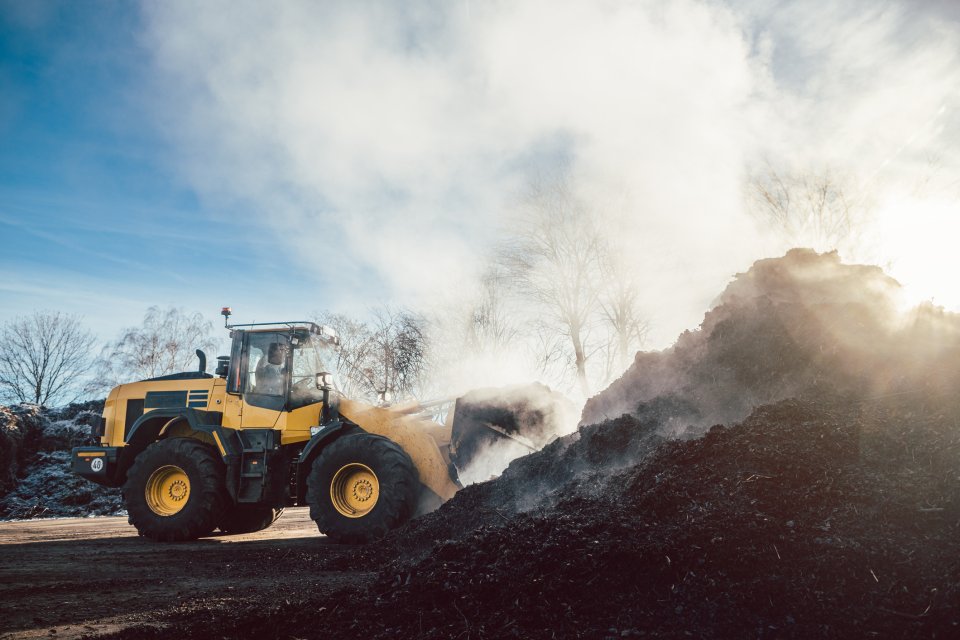
Large-scale composting happens at industrial compost facilities designed to handle high volumes of food and yard waste on a broad, regional scale
“I don’t want to have a lot of trash sitting around. There needs to be a place where it can be inconspicuous. Also, the smells are not obtrusive when the food waste sits in the house or outside. Can you have a special trash can just for food waste so it’s outside like the regular trash?” Valerie – study participant
Insight from our study
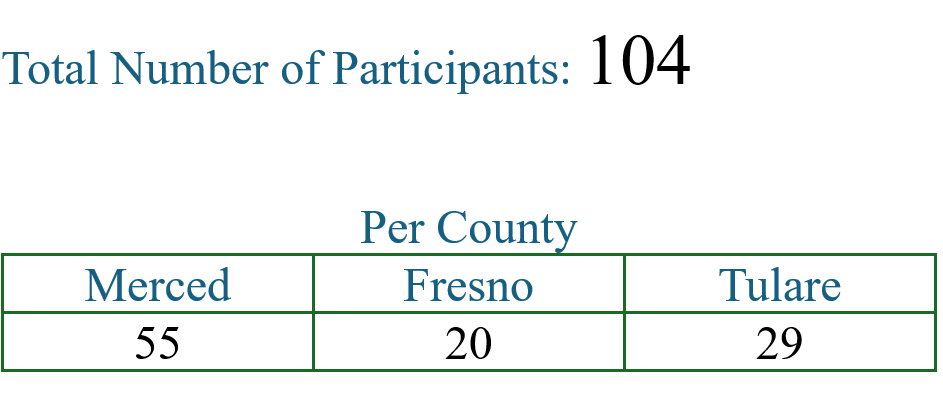
For this study, we measured food wasted by individuals and families in the Central Valley, including Merced, Fresno, and Tulare counties.
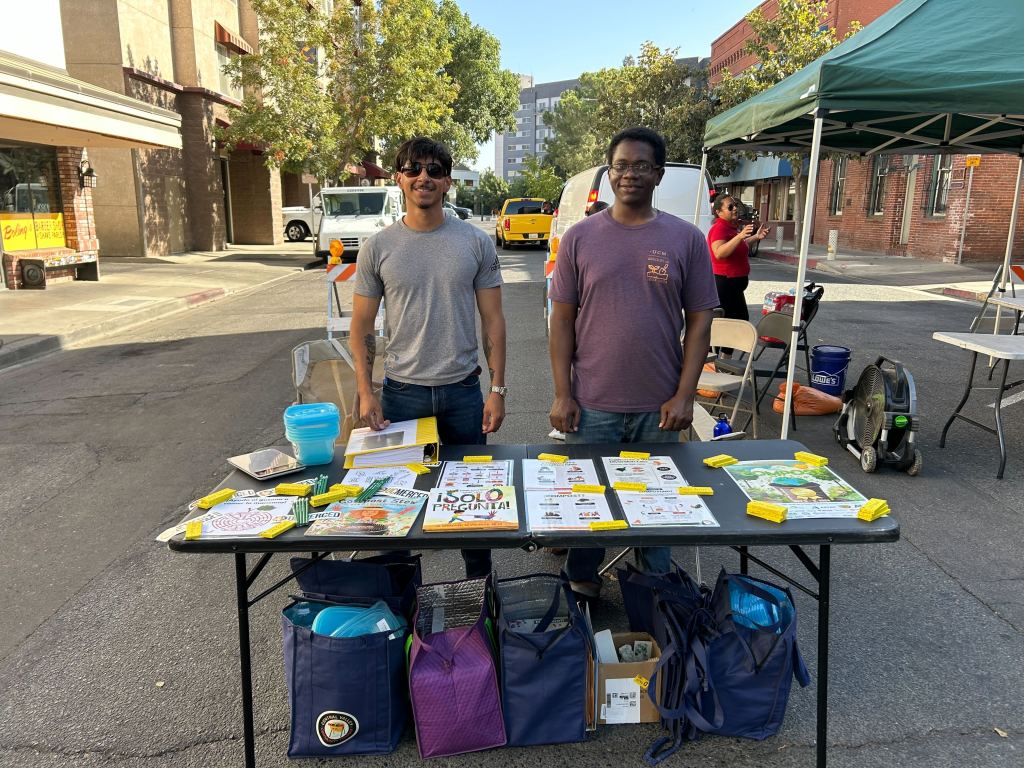
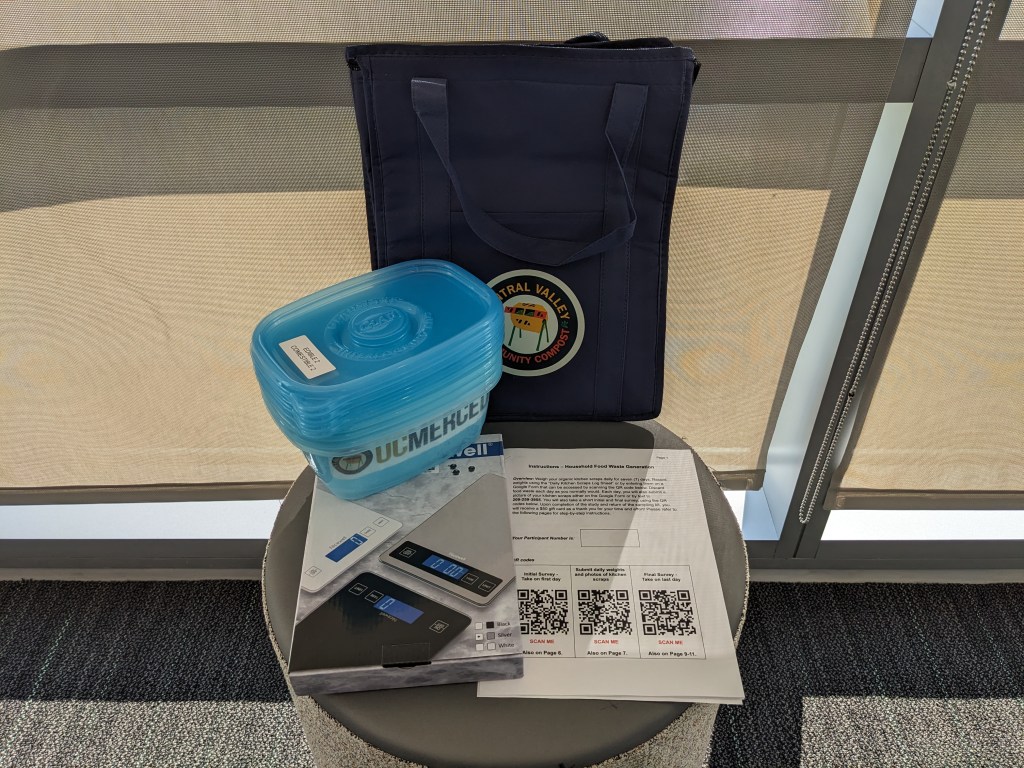
Residents collected and weighed their food waste for seven days. They used the same digital scale we provided and Tupperware. We multiplied these numbers by 52 to estimate a yearly total.
Edible vs. Inedible
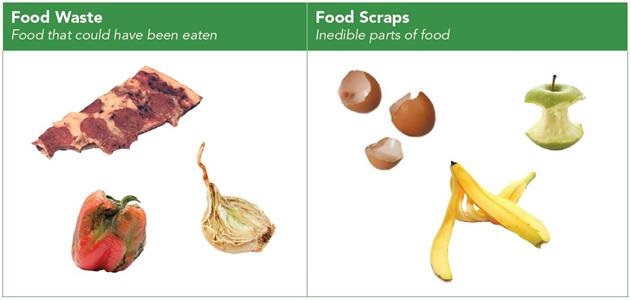
Households wasted an average of 251 pounds of edible food and 219 pounds of inedible food per year, measured by mass.
In contrast, the Natural Resources Defense Council found that households threw away 312 pounds of edible and 451 pounds of inedible food per year, measured by volume.
These differences may partly be due to NRDC’s volume-based approach, which included heavier items like beverages (which our study did not), potentially increasing total waste.
Next Steps
Results from this study can influence composting efforts by individuals, small business owners, nonprofits, and industrial-scale composters.
For example, UC Merced, Central California Environmental Justice Network, Wukchumni Farms, and FoodLink for Tulare County are composting food waste or planning to soon. Other organizations in the Central Valley are encouraged to start composting!
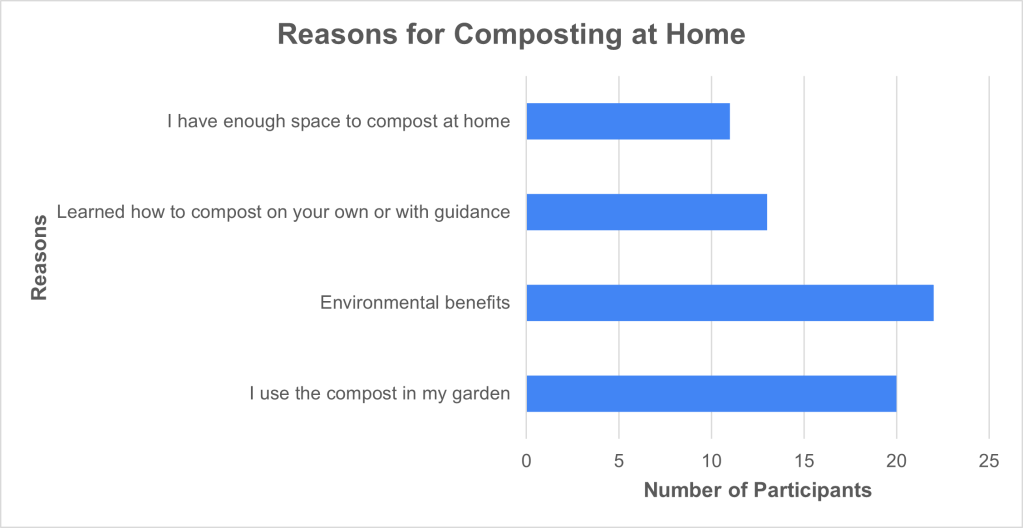
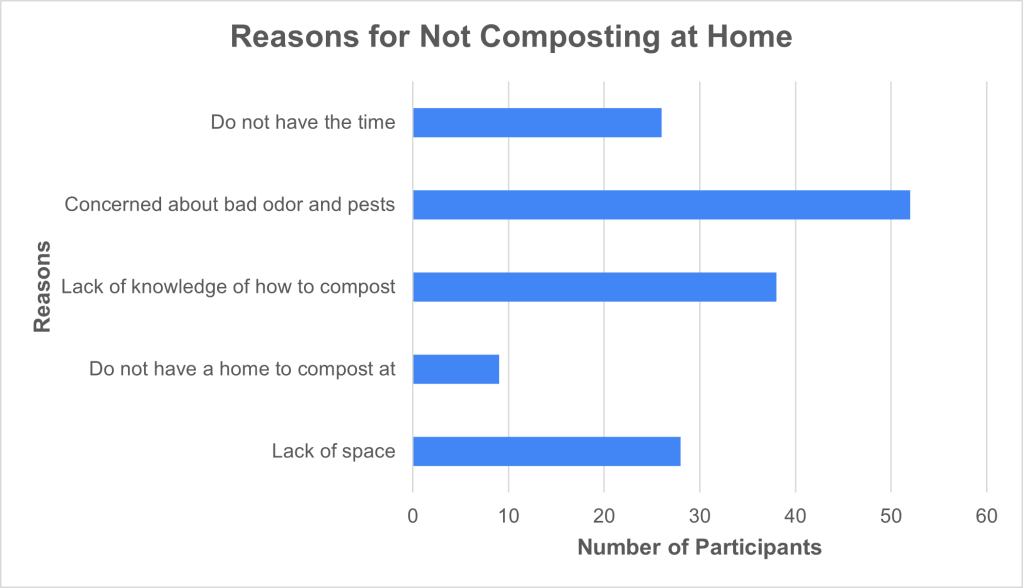
Overall, more households did not compost at home than those that did
“Coming up with programs that meet people where they are, I probably would not be composting like when I lived in an apartment because I didn’t have the space. Drop-off points could help people interested in composting outside their homes.” Robin – study participant and home composter
This project relates to Sustainable Development Goal 12: Ensure sustainable consumption and production patterns.
Special thanks to all the participants who completed this study and our University of California Merced Ryals lab members!
References
Additional Research on Household Food Waste. (2024, February 8). https://www.nrdc.org/bio/andrea-collins/additional-research-household-food-waste
California is falling short of its food composting goals. Is a crackdown coming? (2023, August 24). Los Angeles Times. https://www.latimes.com/california/story/2023-08-24/california-composting-organic-waste-law-stalled
Central California Environmental Justice Network. (n.d.). Retrieved December 2, 2024, from https://ccejn.org/
Composting 101. (2020, July 20). https://www.nrdc.org/stories/composting-101
Goal 12 | Department of Economic and Social Affairs. (n.d.). Retrieved December 10, 2024, from https://sdgs.un.org/goals/goal12
Platt, B., & Libertelli, C. (n.d.). Infographic: How Composting Combats the Climate Crisis. Institute for Local Self-Reliance. Retrieved December 2, 2024, from https://ilsr.org/articles/compost-climate/
US EPA, O. (2015, August 19). Approaches to Composting [Overviews and Factsheets]. https://www.epa.gov/sustainable-management-food/approaches-composting
US EPA, R. 01. (2021, March 8). Composting Food Waste: Keeping a Good Thing Going (Massachusetts) [Speeches, Testimony and Transcripts]. https://www.epa.gov/snep/composting-food-waste-keeping-good-thing-going
 AGROECOLOGY LAB